Repair Today • Call Now 650-209-6180
Agricultural Fencing in San Mateo County, CA
Agricultural fencing is the perimeter, pasture and enclosure work that keeps animals in, wildlife out and property lines clear on farms, ranches, horse properties and rural acreage. San Mateo Fence Company builds and repairs agricultural fences across San Mateo County, from hillside parcels west of Interstate 280 to coastside farmland along Highway 1.

What Our Agricultural Fencing Service Covers
Agricultural work is different from a backyard fence. The runs are longer, the ground is rougher, and the fence has a job to do every day. Our agricultural service includes:
- Perimeter and boundary fencing for acreage, ranchland and rural lots, including corner and brace assemblies that keep long runs tight.
- Pasture and paddock fencing for horses, cattle, goats, sheep and other livestock, matched to the animal and how hard it tests a fence.
- Woven wire and field fence for small livestock and mixed use.
- Deer exclusion fencing around orchards, vegetable plots, vineyards and nurseries.
- Wood post-and-rail and split-rail fencing where appearance matters along a driveway or road frontage.
- Farm gates, including tube gates, wire-filled gates and wide equipment gates for trucks and tractors. See our gates and automatic gates service for powered entries.
- Repairs and section replacement after storms, falling trees, animal damage or simple age.
Signs Your Agricultural Fence Needs Work
- Sagging wire between posts, which usually means a brace assembly has loosened or an end post has moved.
- Leaning or rotted wood posts, especially at the ground line where moisture sits longest.
- Animals testing or slipping through the same spot again and again.
- Deer browsing inside the fence, a sign the fence is too short, has a gap at the bottom or has been pushed down.
- Rust-through on old wire or broken staples and clips.
- Washouts under the bottom wire after winter rain on sloped ground.
- Gates that drag, sag or won't latch, which slow down daily chores and invite escapes.
How We Plan and Build an Agricultural Fence
- Walk the line. We walk the full fence route with you to note slope, rock, wet ground, creek crossings, trees and access points.
- Match the fence to the job. Horses, cattle, goats and deer each need a different fence. We recommend the wire type, height, post spacing and gate locations based on what the fence has to hold back or keep out.
- Confirm the line and the rules. We ask you to confirm property corners, and we check whether city, county or coastal rules apply to your parcel before work starts.
- Call 811. California law requires notice to the regional notification center at least two working days before digging, so utility owners can flag what's underground before we set posts.
- Set corners and braces first. Corner, end and gate posts carry the tension of the whole run, so we set and brace them before stringing wire.
- Set line posts and hang wire or rails. Posts follow the terrain, and wire is stretched and fastened so it stays tight.
- Hang gates and walk it again. We test every gate, check tension and walk the finished line with you.
Deer, Livestock and Wildlife Pressure
Deer are one of the most common reasons San Mateo County property owners call us. University of California Integrated Pest Management guidance describes a 7- to 8-foot wire fence as the most effective way to exclude deer, and notes that fences on steep slopes may need extra height. Deer are also likely to push under a fence, so the bottom of the fence has to sit close to the ground. Many existing fences can be extended upward with additional mesh or wire instead of being torn out.
For livestock, the question is pressure. A horse that leans over a fence, a goat that climbs it and a steer that rubs on it each stress a fence in a different way. We choose post size, spacing and wire style accordingly, and we keep sharp ends and loose wire away from areas where animals crowd.
San Mateo County Conditions That Affect Agricultural Fencing
Coastside farms. San Mateo County's agricultural crop reports highlight coastside crops such as Brussels sprouts along Highway 1 and cut flowers near Pescadero, along with the county's cattle industry. Fields near the ocean get fog, salt air and wind, which shorten the life of uncoated steel and unprotected wood.
Coastal Zone permits. Much of the San Mateo County coast lies within the California Coastal Zone. The county treats new fences there as development, which means a fence may need a Coastal Development Permit or a confirmed exemption. We help you sort out which path applies before posts go in.
Hills and rock. Parcels in the hills west of 280 and around the Skyline area often have steep grades, shallow soil and rock. Post depth, bracing and the choice between following the grade or stepping the fence all depend on what we find when we dig.
Winter rain and summer dryness. Wet winters soften ground and loosen posts, while long dry summers crack soil. Ground-contact treated posts, rated UC4A or higher under the American Wood Protection Association system, are made for wood that sits in soil.
Unincorporated land. Many rural parcels fall under San Mateo County Planning rather than a city. The county publishes its own fence provisions, and we follow the rules for whichever agency covers your land.
Factors That Affect the Cost of Agricultural Fencing
We give a free quote after walking the property. The main cost drivers are:
- Total length of the fence and how many corners, ends and gates it has.
- Fence type: woven wire, field fence, high-tensile wire, wood rail or a combination.
- Height, especially for deer exclusion.
- Terrain: slope, rock, wet ground and creek crossings.
- Access for equipment and materials on remote or steep land.
- Removal of old fence, including tangled wire and old posts.
- Permits, if the parcel is in the Coastal Zone or needs other approvals.
Agricultural vs. Residential Fencing
A residential fence is mostly about privacy, looks and a defined yard. Agricultural fencing is about containment, long runs and holding up to animals and weather year after year. Many rural properties need both, such as a wood privacy fence around the house and wire fencing around pasture, and we can plan the two together.
Frequently Asked Questions
How tall should a deer fence be in San Mateo County?
University of California pest management guidance points to a wire fence 7 to 8 feet tall as the most effective way to keep deer out, with more height on steep slopes. The fence also needs to sit tight to the ground, because deer often push under rather than jump. We set the height after looking at your slope and deer pressure.
Do I need a permit for a farm fence on the San Mateo coast?
Possibly. San Mateo County treats new fences in the Coastal Zone as development, so many projects need a Coastal Development Permit or a confirmed exemption. Rules depend on the parcel, its zoning and the fence design. We check which agency covers your land and what it requires before we schedule the installation.
What kind of fence works for horses?
Horses do best with highly visible fencing that has no sharp edges, such as wood post-and-rail or horse-safe woven wire with a top rail or board. Barbed wire is a poor choice for horse pasture. We look at how many horses you keep, their temperament and the paddock size before recommending a style and height.
Can you repair a section of old ranch fence instead of replacing all of it?
Yes. Many long runs fail in only a few places, usually at brace assemblies, gates or low spots where posts rot. We can rebuild braces, replace bad posts, splice or restring wire and fix gates. If the wire is rusted through along most of the line, we will tell you when replacing it makes more sense.
How do you build fence on steep or rocky ground?
We walk the line first and dig test holes where rock is likely. On steep ground, wire fence can usually follow the slope, while rail fence may need to step. Rock may call for different post placement or extra bracing. We plan around the terrain so the finished fence stays tight and leaves no gaps underneath.
Explore more: Planning a bigger project? Browse every fencing service we offer. We handle agricultural fencing in San Mateo and San Carlos. New here? Start at the San Mateo Fence Company homepage.
Get a Free Quote for Agricultural Fencing
Call San Mateo Fence Company at
650-209-6180 for a free quote on agricultural, ranch or deer fencing anywhere in San Mateo County. We're open 8:00 AM to 6:00 PM, 7 days a week. Tell us the rough length of fence, what it needs to hold in or keep out, and how the ground lies.
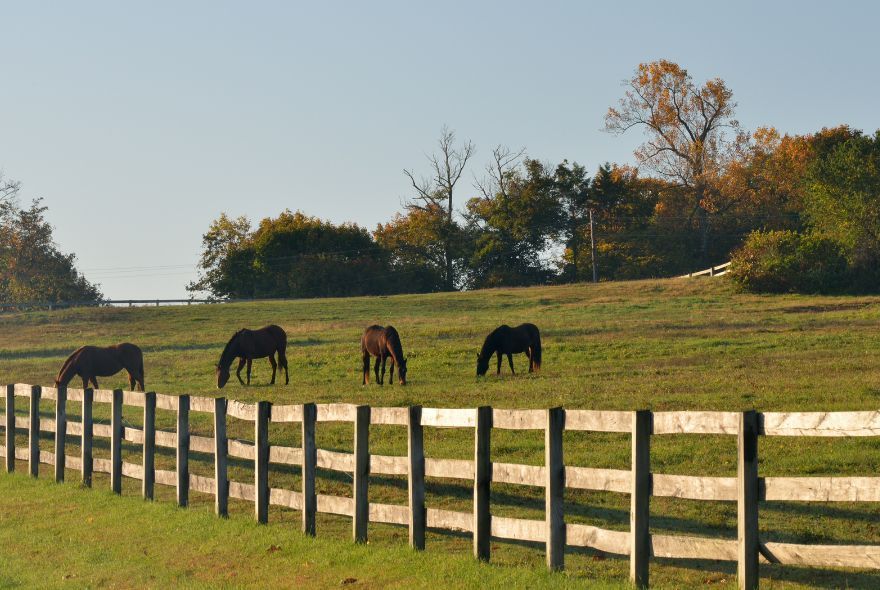
Why Agricultural Fencing Matters for Crop and Animal Safety
Farming isn’t just about planting seeds or raising livestock—it’s about protecting what you’ve built. A well-planned fence is one of the most important tools for keeping your land safe and productive. Whether you’re running a small farm or managing acres of land, here are four big reasons why fencing matters.
Protecting Crops
Fences stop animals like deer, rabbits, and stray livestock from destroying crops. Without protection, a season’s worth of hard work can be ruined overnight. Agricultural fencing creates a strong barrier that helps secure your harvest and protect your income.
Keeping Livestock Safe
Fences are vital for keeping animals in one safe area. They stop animals from wandering off, getting injured, or straying onto roads. At the same time, they protect livestock from predators. A reliable fence means peace of mind for farmers who want to know their animals are safe day and night.
Better Farm Management
Fencing helps divide your land into sections for easier management. You can rotate crops, separate animals, or create grazing areas with clear boundaries. This makes your farm more efficient, organized, and easier to maintain over time.
Marking Property and Security
A strong fence defines your land clearly, which helps prevent disputes and keeps trespassers away. It also shows that your farm is cared for and secure, reducing the risk of theft or damage. Property boundaries backed by fencing give you confidence and control.
Looking for reliable fencing for your farm? We offer agricultural fence installation designed around your property and your needs. From crops to livestock, our fences are built strong, safe, and practical. Call us today or request a free quote online. Together, we’ll create fencing that protects your land and supports your work every single day.